Twelve Market Stalls Where You Leave With a Bargain and a New Best Mate
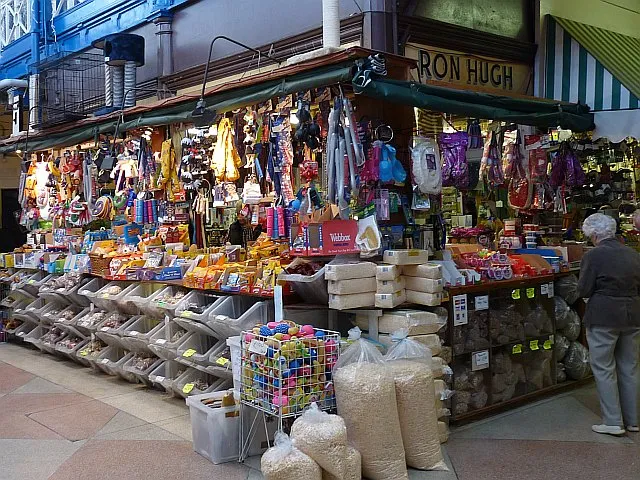
Photo: Robin Drayton , CC BY-SA 2.0, via Wikimedia Commons
Markets are not a nostalgia project. They are a live conversation with a postcode. You can buy a bag of carrots anywhere. You cannot always be told, with real feeling, that the carrots are good this week because the fella who grows them had a decent spell of rain and a rotten time with the slugs. That is the difference. In 2026, when half the high street wants you to scan a QR code and talk to nobody, the market stall remains one of the last places where a transaction comes with a personality.
This is a love letter to the traders who make a Saturday shop feel like a proper natter. It is also a ranking, because we are British and we like a leaderboard with our lunch.
How we ranked them
Traders were judged on three things: banter, local knowledge and the ability to send you home with something you did not know you needed. The names below are stallholder nicknames and composites rather than formal titles, partly to protect the innocent and partly because the best market characters tend to arrive with a nickname before they arrive with a surname. No stall paid to be here. Several would be horrified to be here at all.
The dozen, from chatty to unmissable
-
The Spud Scientist, Norwich Market. Dry Norfolk wit and an encyclopaedic knowledge of potatoes. Ask about roasting and you will get a five-minute lecture, a suggested oven temperature and a bag of Kerr's Pinks. You came for carrots. You leave with a new approach to Sunday lunch.
-
The Herb Woman, St Nicholas Market, Bristol. Knows your windowsill better than you do. Remembers that your basil died in July and refuses to sell you another until you promise to move it out of direct sun. Banter is gentle, local knowledge is excellent, upsell is a bunch of thyme you did not plan on.
-
The Egg Man, Leicester Market. Runs a stall that looks like a maths problem and sounds like a comedy set. Will explain the difference between a hen and a duck egg, then ask after your mum. You go in for half a dozen and come out with a dozen, a recipe for a frittata and a vague sense that you have been gently roasted.
-
The Fabric Philosopher, Birmingham Rag Market. A stall built for people who say they only need a button and leave with three metres of corduroy. The chat is all about what you are making and why it will look better with a lining. Local knowledge includes which tailor on the next aisle will fix a zip for a fiver.
-
The Pie Diplomat, Bury Market. The sort of trader who can settle a family argument about gravy before 9am. Knows which pie you want by the look on your face. Banter is blunt, warm and occasionally aimed at your choice of football team. You leave with a steak and kidney and a peace treaty.
-
The Book Stall Oracle, The Barras, Glasgow. Sells paperbacks in towers and opinions for free. Will tell you exactly which crime novel you need and why the one in your hand is a waste of a Saturday. The upsell is a battered hardback you did not know you were looking for. The banter could strip paint, in a nice way.
-
The Flower Man, Columbia Road, London. A Sunday morning institution with a voice that carries over the crowd. Sells bunches like he is doing stand-up and remembers the regulars who buy for the same anniversary every year. You go for tulips, you leave with tulips, a lesson in conditioning stems and a joke about your love life.
-
The Fishmonger Comedian, Swansea Market. Knows the tides, the names of the boats and the exact look of a person who has never cooked a scallop. Will not let you leave without a lemon and a short, sharp lesson in not ruining it. Banter is fast, local knowledge is salty and useful.
-
The Tea Blender, Stroud Farmers' Market. A quiet stall with a long queue and a trader who treats tea like a personality test. Asks what you drink now, looks disappointed, then builds you a blend. You came for a loaf. You leave with a tin, a brewing timetable and a new opinion about bergamot.
-
The Olive Man, Borough Market, London. Can spot a tourist at twenty paces and still give them the good stuff. Lets you taste four things, tells you which one is a waste of money and sends you off with a tub of the one you pretended not to like. The chat is part performance, part genuine enthusiasm, and entirely impossible to resist.
-
The Cheese Whisperer, Cardiff Central Market. The chatty cheesemonger every market needs: loud, generous with samples and fiercely loyal to Welsh produce. Will ask what you are eating it with, then change your mind about the answer. You leave with a wedge of something blue, a recommendation for a cider and a standing invitation to come back for a taste of the new season.
-
The Veg Philosopher, Leeds Kirkgate Market. The top spot goes to the fruit-and-veg trader who can turn a bag of onions into a state-of-the-nation address. Asks where you have been, tells you which apples are worth it this week and slips in a bunch of parsley because it will improve your tea. Banter, knowledge and upsell all in one. You arrive for a cabbage. You leave with dinner, a recipe and the feeling that someone in the city knows your name.
That last bit is the real ranking criterion. Markets are not just places to buy things; they are places where you are known, or at least recognised. In 2026, that matters. We can order everything from a phone and never speak to a soul. We can walk through a high street that has been optimised within an inch of its life. But a market stall still runs on eye contact, memory and the radical idea that a conversation can be part of the service. The best traders do not just sell you a carrot. They sell you a small, useful reminder that you live somewhere, among people, and that the weekly shop can be a bit of a laugh. Go on a Saturday. Take cash. Leave time for a chat.