The Voice in the Retail Park: Britain's Late-Night Local Radio Is Still the Best Company
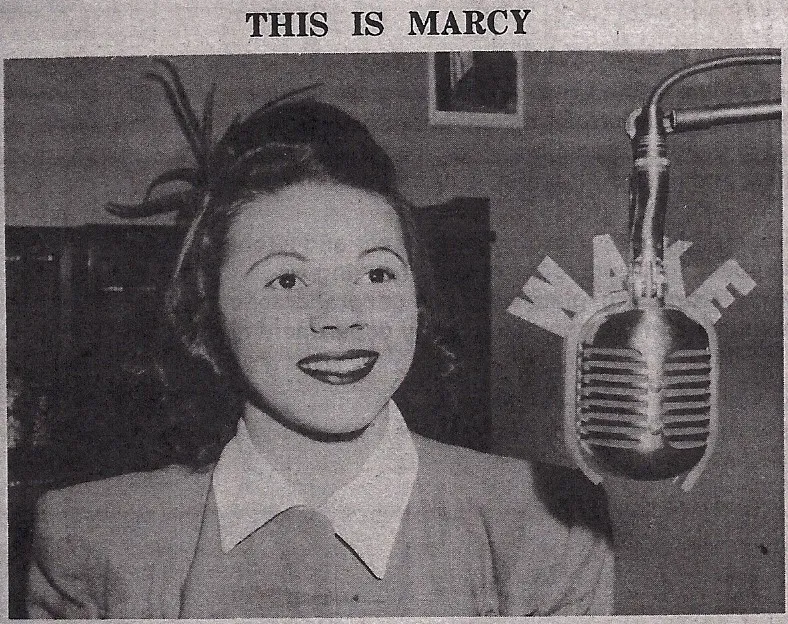
Photo: Hansvonmaltzahn, CC BY-SA 4.0, via Wikimedia Commons
At 10.17pm on a wet Tuesday in November, the radio in a kitchen in Stockport is not playing a playlist. It is playing a man in a studio next to a carpet warehouse, reading out a text from someone called Elaine about a lost cat, a bus that no longer runs and the fact that the clocks have gone dark. This is local radio after dark: not the polished stuff, not the big national names, but the small stations with a phone line, a jingle from 2003 and a presenter who knows half the audience by first name.
In 2026, when most of us carry an entire entertainment system in our pocket, it should not work. It does. Here is why.
The studio in the retail park
Local radio late shift often comes from a building that shares a car park with a gym and a skip hire. The studio is small. The heater clicks. The travel news is read with the urgency of a weather bulletin and the accuracy of a neighbour. But that is the charm. A national station can give you the world. A local station can tell you that the A-road is shut, that the chip shop is doing a deal and that Margaret from the coast is on the line.
The host is doing several jobs at once: DJ, switchboard, therapist, traffic reporter and keeper of the station's small rituals. They know which caller wants to talk about football and which one needs a gentle nudge off the subject of parking. They can fill a silence without making it feel like a failure. That is a skill, and it is strangely soothing.
The callers who become characters
Regular callers are the soap opera. They arrive with catchphrases, opinions and a backstory that unfolds over months. You do not need to know their surnames. You just need to hear the first three words.
Bus Timetable Dave rings to correct the presenter about the 17A. He is not angry. He is precise. Within a month, you know his voice, his route and his views on the new timetable. Within two, you are on his side.
Margaret from the Coast rings about the weather, the sea and her late husband. She is not a caller. She is the station's emotional weather system. The host asks how she is. She says she is fine. Everyone listening knows she is not entirely fine, and everyone is glad she rang.
Night Shift Steve calls from a warehouse at 2am. He is the audience and the co-host. He talks about the quiet, the radio and the sandwich he has brought. He makes the late shift feel less late.
The Poet of the Ring Road reads short poems about roundabouts and retail parks. They are better than they sound. They are also oddly moving, which is the last thing you expect at midnight on a commercial break.
The Man Who Rings About the Weather has a barometer and a grudge against the forecast. He is wrong often enough to be entertaining and right often enough to be useful. The host pretends to be annoyed. You can hear the affection.
The regional quirks
Every station has its own grammar. In Leeds, the host might call you love. In Cardiff, the phone-in can turn into a choir. In Belfast, the switch from news to chat is so fast you get whiplash. In rural areas, the show is part parish noticeboard, part confessional. The jingles are older than some of the callers. The ads are for conservatories and funeral plans. The host reads the bereavements and the birthdays with the same voice. It is not slick. That is the point.
There is also the pleasure of the local reference. A national presenter cannot say, with real feeling, that the road past the old gasworks is closed again. A local host can. That tiny shared map is what makes the company feel specific rather than generic.
Why it matters in 2026
Loneliness is not a niche issue. Dark evenings are long. Streaming gives you everything except someone who says your name. Local radio offers company without demands: you can listen, ring, text, or just leave it on while you do the washing up. The late shift is particularly important. It catches shift workers, new parents, insomniacs, taxi drivers and people who are just a bit fed up. The presenter cannot solve your problems, but they can say good evening and mean it. That is not small.
It is also cheap, democratic and gloriously unoptimised. No algorithm knows that you need to hear a stranger talk about a bus timetable at 11pm. But somehow you do. The phone-in does not try to go viral. It tries to get through the night. That is a modest ambition, and a comforting one.
How to find your late shift
Tune around after 10pm. Try BBC local radio, community stations, hospital radio and the odd commercial station that still keeps a phone-in. Give it a week. Learn the callers. You will have favourites before long. You will hear a voice from a studio in a retail park and realise that the room you are in has got a little warmer. The best local radio is not a broadcast. It is a room with the door left open.